
Cloud Cost Optimization Playbook 2026: Ways to Reduce AWS/Azure Spend
Discover practical cloud cost optimization strategies for 2026 to reduce AWS and Azure spending, improve resource efficiency, and maximize cloud ROI.
29
Aug
Cloud Cost Optimization Playbook 2026: Ways to Reduce AWS/Azure Spend
Published 29 Aug 2026 Updated 29 Aug 2026 Written and reviewed by Anshul Goyal
Table of Contents
- Introduction
- Why Cloud Cost Optimisation Matters in 2026
- Architecture Table: Traditional Method vs Our IT Solution
- 10 Practical Ways to Reduce AWS/Azure Spend in 2026
- 1. Conduct a Complete Cloud Cost Audit
- 2. Apply Proper Resource Tagging
- 3. Rightsize Virtual Machines
- 4. Remove Idle and Unused Resources
- 5. Use Reserved Instances and Savings Plans
- 6. Optimise Storage and Backup Policies
- 7. Automate Shutdown for Non-Production Workloads
- 8. Set Budgets, Alerts, and Cost Governance
- 9. Review Microsoft 365 and Cloud License Usage
- 10. Work With a Trusted Cloud Licensing Partner
- Future-Proofing Cloud Spend
- Conclusion
- FAQs
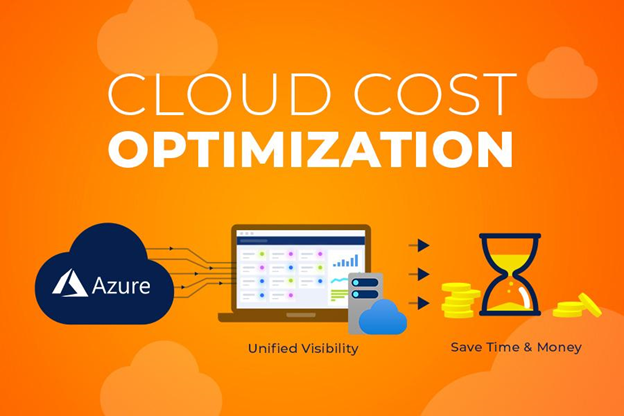
Optimising cloud computing costs refers to an orderly approach to minimising AWS or Azure waste that does not compromise on performance, security, uptime, or scale. By 2026, optimising cloud costs will not only be a monetary process but also a discipline of engineering that supports stronger governance and improved return on investment (ROI) while aligning cloud infrastructure and business outcomes.
Introduction
The cloud has become the primary engine of growth for contemporary companies. However, as organisations use their cloud environments more frequently, they may find themselves experiencing a gradual, uncontrolled leaking of operational costs. The major challenge for C-level executives (CTOs and IT Directors), finance executives (CFAO and COO) and engineering executives (VP Engineering and Product Managers) has shifted from “Should we go to the cloud?” to “How can we ensure our cloud environment remains scalable, secure and financially predictable?”
Our team's extensive cloud resource optimisation analyses reveal that the majority of excessive AWS and/or Azure costs can be traced to five sources: oversized cloud resources, unused workloads, poor storage lifecycle planning, insufficient visibility into licensing, and/or a lack of FinOps accountability. By implementing a strong cloud cost-control program, organisations can effectively address all of these issues without sacrificing uptime or security.
Why Cloud Cost Optimisation Matters in 2026
By 2026, businesses will use cloud infrastructure to operate their mission-critical workloads, remote workers, artificial intelligence solutions, customer-facing portals, ERP systems, cybersecurity platforms and Microsoft 365 Unified Communication applications in these ways, which leads to needing architecture discipline, automation, governance and licensing intelligence rather than to rely on ad hoc monthly checks of cost issues to improve cost optimisation.
BM Infotrade believes that the correlation between the successful optimisation of a cloud-based service is having a technical reliable solution with scalable architecture that supports your digital identity and is systems compliant with related services provided through external sources such as AWS Well-Architected Framework, Microsoft Azure Advisor, FinOps Framework, ISO/IEC 27001 and Microsoft 365 helps establish a better level of digital trust and creates a clearer indication as to the nature of your technology solutions in the marketplace.
Current Industry Challenges
Numerous organisations are dealing with similar issues relating to cloud costs. They continue to maintain their development servers beyond business hours, as well as have oversized virtual machines and uncontrolled growth of storage due to a lack of lifecycle policy. Additionally, many teams have acquired SaaS and Microsoft 365 licenses without evaluating how frequently they are used. Engineering teams have control over the architecture while financial teams have visibility into the cost.
The implementation of the cloud pricing issue is something that can be handled from the perspective of the cloud vendor. The fundamental issues associated with implementation are weak visibility into the environment, bad tagging, lack of budget ownership, and disjointed procurement practices. Without appropriate governance processes in place for both AWS and Azure environments, the cost associated with running a business through the cloud will continue to rise until revenue from that producer has significantly decreased.
Architecture Table: Traditional Method vs Our IT Solution
|
Area |
Traditional Method |
Our IT Solution |
|
Cost tracking |
Monthly bill review after spending happens |
Real-time dashboards, alerts, budgets, and ownership |
|
Resource sizing |
Guess-based VM and database sizing |
Rightsizing based on utilisation and workload behaviour |
|
Licensing |
Random purchase of cloud and M365 licenses |
Optimised license procurement with BM Infotrade support |
|
Security |
Cost-cutting without compliance review |
Secure optimisation aligned with access and identity controls |
|
Governance |
Manual approvals and unclear accountability |
FinOps-led process with engineering, finance, and IT teams |
10 Practical Ways to Reduce AWS/Azure Spend in 2026
1. Conduct a Complete Cloud Cost Audit
To begin, examine AWS and Azure bills on a service, department, project, or business unit basis. Conducting an in-depth review will allow you to discover both high-cost services as well as unused resources which potentially offer immediate savings opportunities.
2. Apply Proper Resource Tagging
Make use of tagging to help identify the various uses for resources; tags include project name, department, owner, environment and cost centre. By using proper tagging, IT, Finance and Management are able to understand who is using what resource, and why.
3. Rightsize Virtual Machines
Many companies that use oversized Virtual Machines (VM) pay more than necessary; by analysing CPU, Memory, Storage and Workload Performance, companies can often reduce their capacity without impacting uptime or user experience.
4. Remove Idle and Unused Resources
It is important to note that virtual machines that are no longer in use, orphaned disks, snapshots that are no longer used, test environments that are not active and backups that are no longer necessary will all contribute to an increase in monthly cloud costs. Conducting regular cleanups will provide you with immediate and measurable savings.
5. Use Reserved Instances and Savings Plans
For predictable workloads, purchasing Reserved Instances or Savings Plans may provide significant savings when compared to On-Demand Pricing, especially for production workloads that require high availability and run continuously.
6. Optimise Storage and Backup Policies
Many types of data are not stored on premium storage initiatives; for example, older file types (logs, backups), as well as archival data types, can be transitioned from premium storage tiers down into less expensive storage tiers from the point of initial creation through their life with the appropriate life-cycle retention policies.
7. Automate Shutdown for Non-Production Workloads
Development (non-production), testing (non-production), and staging (non-production) environments do not always run at full capacity around the clock. By implementing an automated shutdown schedule on specific non-production instances, waste is reduced without affecting any instance on the production instances.
8. Set Budgets, Alerts, and Cost Governance
Many organisations are failing to implement AWS and Azure budget alerts, under which they track their expenses, and prevent their project teams from incurring additional costs above their anticipated limits. We also advocate establishing a sound governance model that ensures all departments share in the responsibility for their respective cloud usage.
9. Review Microsoft 365 and Cloud License Usage
Unused or incorrectly assigned Microsoft 365 licenses can greatly increase overall IT costs. Regularly review active Microsoft 365 licenses to ensure that all users have licenses that fit their actual business needs.
10. Work With a Trusted Cloud Licensing Partner
Businesses can leverage BM Infotrade's services to purchase and optimise their Microsoft 365, cloud, and IT licences with their expert assistance. To purchase Microsoft 365, cloud and IT licenses with confidence (i.e., the right licence type), visit www.bminfotrade.com and follow the "Buy Now" prompts.
Implementation Roadmap
Your practical Cloud Cost Optimisation Project should commence with discovery. Start by gathering up your billing, usage, licensing and architectural datasets. Secondly, look for quick wins like idle resources, oversized VMs, orphaned disks and unused Microsoft 365 licenses. Thirdly, implement your medium-term actions, such as Reserved Instances, Savings Plans, storage lifecycle policies, and budget alerts.
Case studies suggest that companies achieve the strongest results by combining both technical optimisation and procurement discipline. Cost savings from optimisation efforts should not adversely affect uptime, user experience, or security posture. You should strive for smarter architecture—not just cheaper architecture.
Future-Proofing Cloud Spend
Cloud Cost Optimisation: The Future Will Require Automation, AI-powered Recommendations, Identity-based Access Governance and Integrated Licensing Support. Companies that consider their Cloud Costs as an Architectural Metric will be able to Scale Faster and Spend Smarter
BM Infotrade assists companies in optimising their use of AWS, Azure, Microsoft 365 & Modern Cloud Licensing in a secure, scalable and business-first manner.
For those companies that are considering purchasing Microsoft 365 Licenses or Other Cloud Solutions, visit the BM Infotrade website and use the “Buy Now” button to start the process by purchasing the Right Licence and receive expert assistance.
Conclusion
Optimise Cloud Costs by Eliminating Waste, Improving Governance, and Creating a Cloud Infrastructure that meets Your Performance, Security, Compliance, and Future Growth Needs in 2026. The right architecture, FinOps discipline, and licensing partner will help you build a more predictable, efficient, and business-oriented spending model for both AWS and Azure.
Interested in reducing your software license and cloud costs?
BM Infotrade will assist you in optimising your use of AWS, Microsoft 365, and other IT solutions through cost-effective, scalable, and secure licensing capabilities for your business. To purchase Microsoft 365 and other IT solutions for your organisation with confidence, visit the BM Infotrade website and click the Buy Now button.
FAQs
1. What is cloud cost optimisation?
Optimising the cost of the cloud services or cloud cost optimisation involves minimising excess expenses associated with cloud computing, such as AWS, Azure, and cloud licenses, while still maintaining performance, security, uptime, and scale.
2. How can businesses reduce AWS and Azure costs?
Ways for an organisation to reduce its cloud costs include: right-sizing resources, removing idle workloads, using reserved instances or savings plans, creating budget alerts, and regularly reviewing how much storage and licenses each user is using.
3. Why is Microsoft 365 license optimisation important?
Optimising Microsoft 365 licenses helps organisations to avoid paying for unused and incorrectly assigned licenses and allows them to receive the right plan for each user based on their actual work needs.
4. Is cloud cost optimisation only for large companies?
Any business, whether a startup, small/medium-sized enterprise, or large corporation, is able to realise benefits from cloud cost optimisation. Reducing any amount of expenses associated with compute resources, storage, and licenses will reduce total monthly IT expenses for the organisation.
5. How can BM Infotrade help with cloud and M365 licensing?
BM Infotrade supports organisations in selecting, purchasing, and optimising Microsoft 365, cloud, and IT licenses by providing expert support so the organisation can achieve better cost control and a smoother implementation process.

Anshul Goyal
Group BDM at B M Infotrade | 11+ years Experience | Business Consultancy | Providing solutions in Cyber Security, Data Analytics, Cloud Computing, Digitization, Data and AI | IT Sales Leader